

Key Highlights
- Discover the top 15 SaaS tools for 2026 that can dramatically enhance business operations and drive growth.
- Learn how AI-powered SaaS tools are revolutionizing workflow automation and improving the user experience.
- Understand the importance of choosing the right tools for project management, marketing, sales, and customer support.
- Explore essential SaaS solutions tailored for startups, fintech companies, and B2B marketing efforts.
- Gain insights into emerging SaaS trends and profitable ideas for entrepreneurs looking to enter the market.
- Find out how to select and manage your SaaS stack effectively to maximize measurable ROI.
What Are SaaS Tools and Why They Matter in 2026
Have you ever wondered what SaaS tools are? “Software-as-a-Service” refers to cloud-based applications you access over the internet instead of installing them directly on your computer. Think of them as on-demand software solutions that help businesses streamline operations, from managing customer relationships to automating marketing campaigns. The SaaS market has exploded because these tools offer incredible flexibility and scalability, allowing companies to adapt quickly to changing needs without massive upfront investments in hardware.
By 2026, the importance of these platforms will only grow. SaaS applications provide a significant competitive advantage by boosting efficiency and improving the customer experience. They allow remote teams to collaborate seamlessly and provide powerful data analytics for smarter decision-making. As technology evolves, AI-powered SaaS platforms are becoming essential, offering predictive insights and advanced automation that were once out of reach for many businesses. For any company aiming for growth, leveraging the right SaaS tools isn’t just an option—it’s a necessity.
Choosing the right SaaS tools can save time and help beginners grow faster online. Explore the best tools to get started in 2026.
https://zdigitallevel.com/best-saas-tools-for-beginners-in-2026/
15 Best SaaS Tools in 2026 to Accelerate Business Growth
Navigating the vast SaaS landscape to find tools that deliver measurable ROI can be challenging. The right software can transform your operations, while the wrong choice can lead to wasted resources. Top SaaS companies are continually innovating, packing their platforms with advanced features designed to solve specific business problems and boost productivity.
To help you make an informed decision, we’ve compiled a list of the 15 best SaaS tools that are set to dominate in 2026. These platforms cover everything from customer management and project collaboration to marketing automation and financial services, offering robust solutions for businesses of all sizes.
1. Salesforce – The Leading CRM for Scaling Businesses
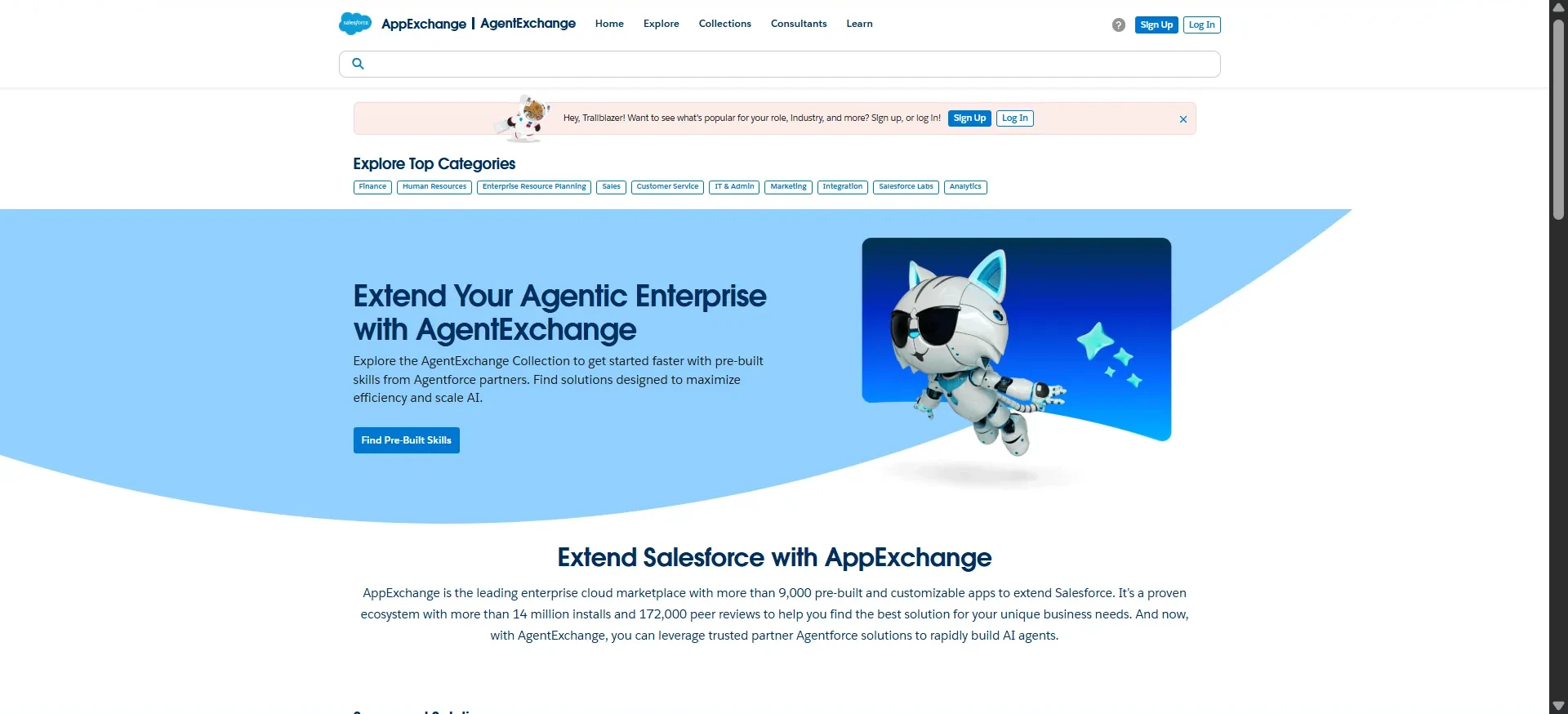
Salesforce stands as a titan in the world of customer relationship management (CRM). It provides a comprehensive suite of SaaS applications designed to help your sales team manage leads, track customer interactions, and close deals more efficiently. Its power lies in its ability to offer a 360-degree view of your customer journey.
As a piece of enterprise software, Salesforce is highly customizable, allowing businesses to tailor the platform to their specific workflows and processes. This flexibility ensures that as your business scales, the software grows with you, adapting to more complex sales cycles and larger teams. The platform’s focus on user experience means your team can get up and running quickly.
Ultimately, Salesforce empowers your sales team to build stronger relationships with customers. By centralizing all customer data, it enables personalized communication and proactive service, which are crucial for long-term loyalty and business growth in a competitive market.
2. HubSpot – All-in-One Marketing, Sales & Automation

HubSpot offers a powerful, all-in-one platform that integrates SaaS marketing, sales, and service tools into a single, user-friendly system. It’s designed to help businesses attract visitors, convert leads, and delight customers. With HubSpot, your sales team and marketing department can work from the same playbook, ensuring a seamless customer journey.
One of its standout features is its robust workflow automation. You can automate repetitive tasks like sending follow-up emails, scoring leads, and updating contact records, freeing up your team to focus on more strategic activities. The platform excels at content marketing and running sophisticated email campaigns, providing you with the tools to nurture leads effectively.
HubSpot’s comprehensive approach means you get a holistic view of your entire funnel. From creating landing pages to analyzing campaign performance, it provides all the necessary tools to grow your business without needing to juggle multiple, disconnected applications.
3. Slack – Real-Time Team Collaboration Platform
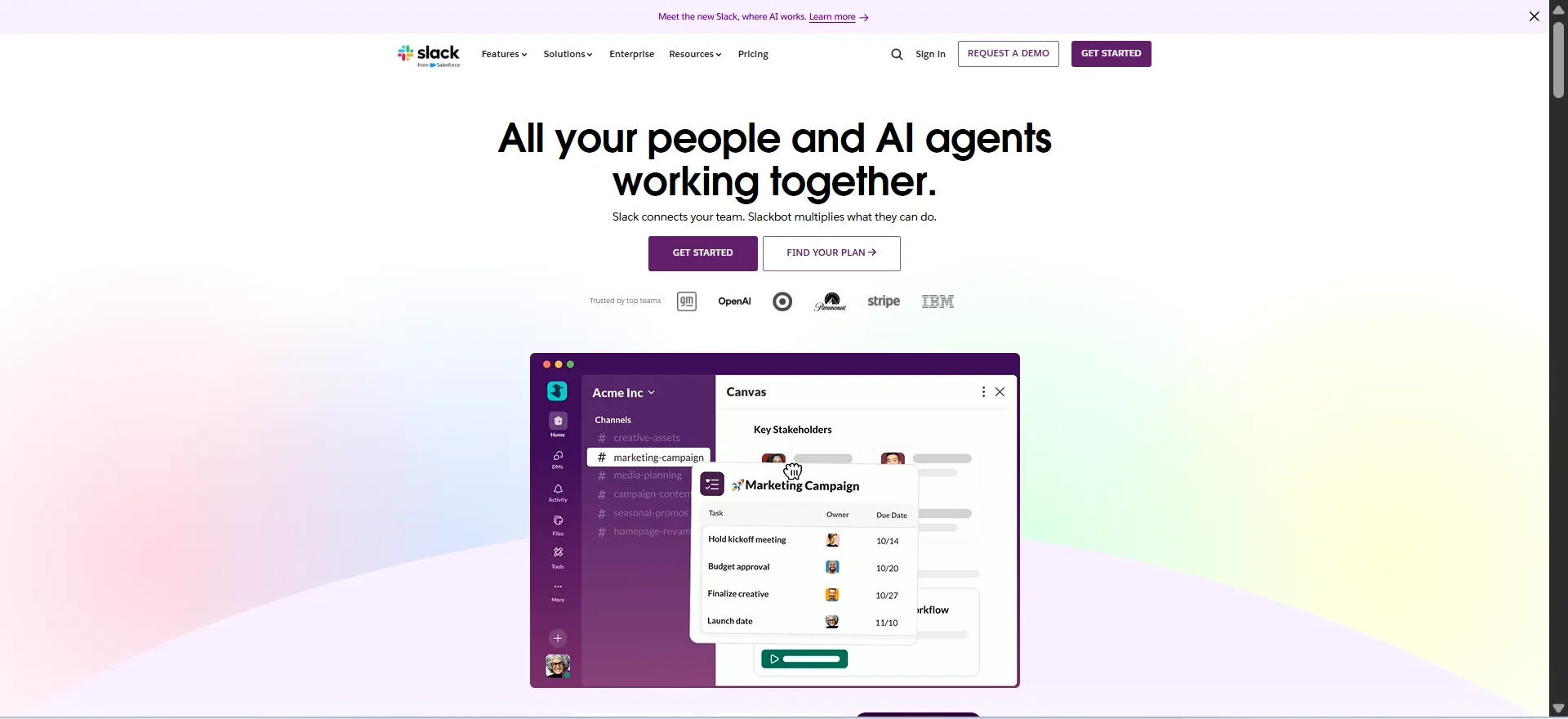
Slack has become the go-to communication hub for countless businesses, especially those with remote teams. It’s a collaboration platform that organizes conversations into dedicated channels, making it easy for team members to discuss projects, share updates, and stay connected in real time. This structure eliminates cluttered email inboxes and keeps communication focused and transparent.
The platform’s strength lies in its simplicity and powerful integrations. You can easily drag and drop files for instant file sharing, start video calls with a single click, and connect thousands of other SaaS platforms to bring all your work into one place. This creates a centralized workspace where information flows freely.
For modern teams, Slack is more than just a messaging app; it’s a digital office. It fosters a sense of community and ensures that every team member, regardless of their location, has access to the information they need to do their job effectively.
4. Asana – Advanced Project Management Solution
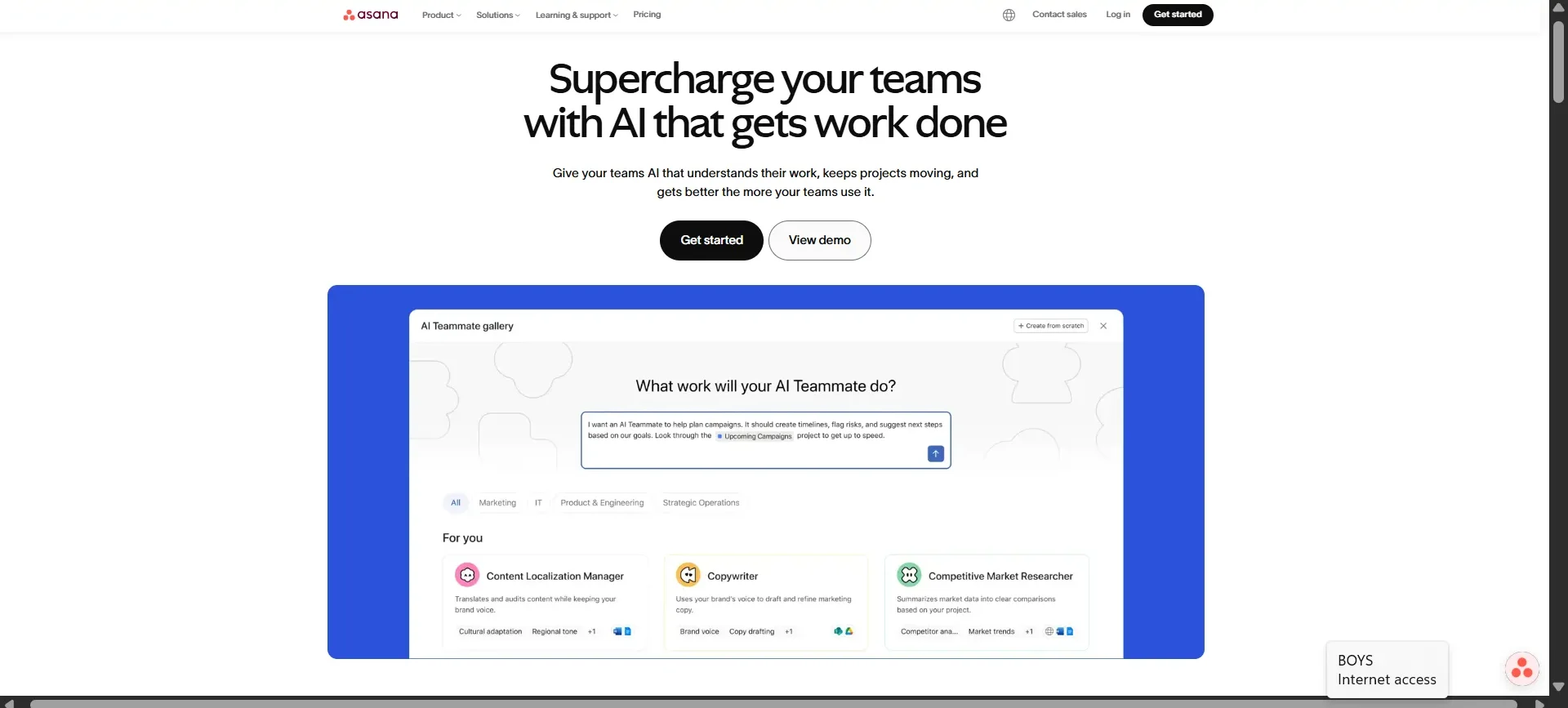
Asana is one of the most popular project management tools, designed to help teams organize, track, and manage their work from start to finish. It provides a clear view of who is doing what by when, which is essential for keeping projects on schedule. Its intuitive interface allows for seamless collaboration among team members.
This tool helps reduce manual work by automating routine tasks and standardizing project workflows. Whether you prefer Kanban boards, Gantt charts, or simple task lists, Asana offers multiple views to suit your team’s style. This flexibility makes it adaptable for any team size and project complexity.
Ultimately, Asana streamlines project management by creating a single source of truth for all tasks and deadlines. It enhances team collaboration, eliminates confusion, and ensures everyone is aligned on priorities, helping you hit your goals faster and with fewer roadblocks.
5. Stripe – Secure Payment Processing for E-Commerce and SaaS
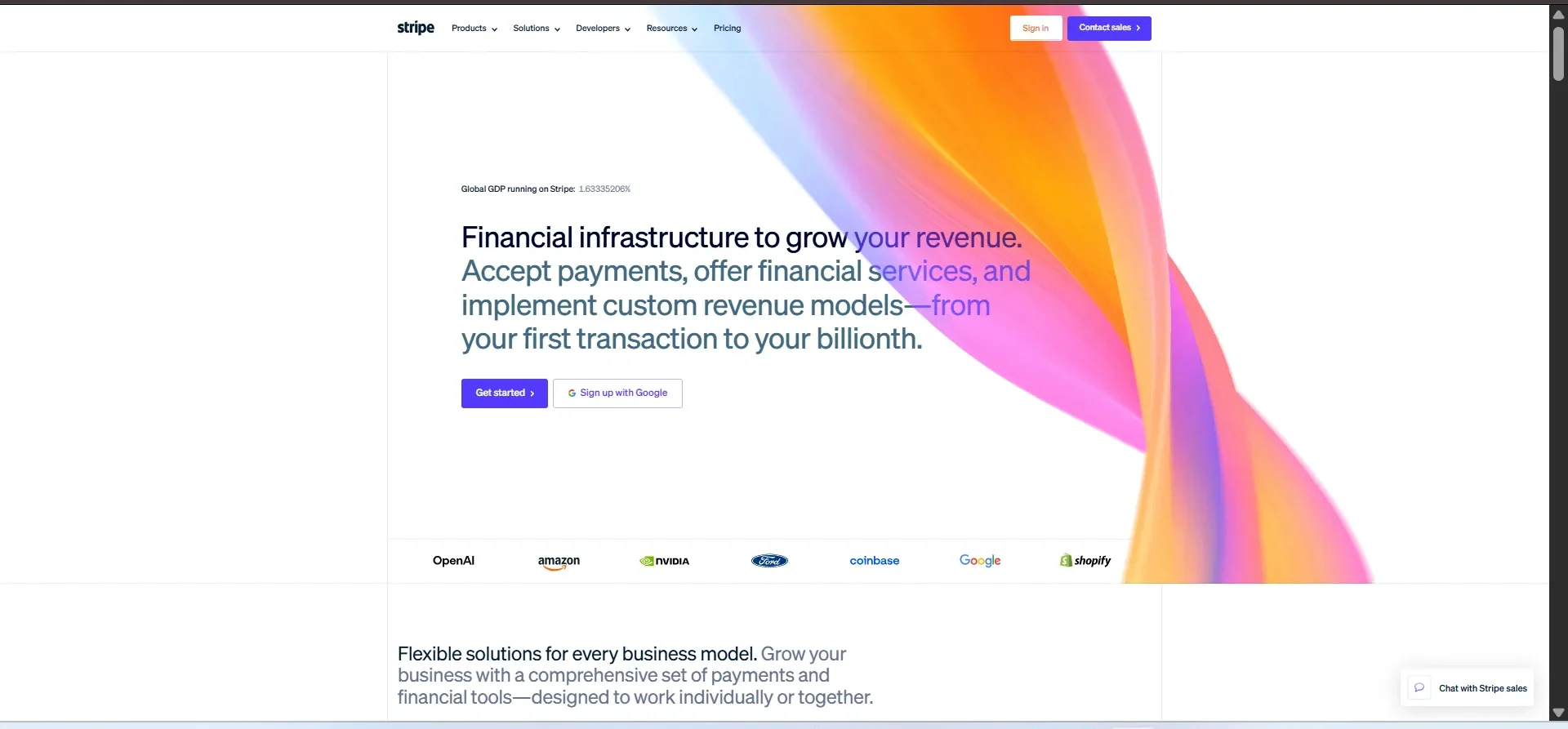
Stripe is a leading platform for online payment processing, trusted by millions of businesses from startups to large enterprises. It provides a suite of APIs that allows companies to accept payments, manage subscriptions, and handle all their financial services directly within their website or app. Its developer-friendly approach makes integration straightforward.
Security is a top priority for Stripe. The platform is engineered to handle sensitive data with the highest level of protection, ensuring that both your business and your customers are secure. This focus on security and compliance makes it a reliable choice for any saas product or e-commerce store.
While Stripe is a premium service, it offers transparent, pay-as-you-go pricing without monthly fees, making it accessible even for businesses just starting out. Some companies may start with a free plan on another platform, but many quickly migrate to Stripe for its robust features and reliability.
6. Zoom – Video Conferencing and Communication Tool

Zoom has become synonymous with video conferencing, enabling real-time communication for businesses around the world. It’s an essential tool for remote work, allowing teams to connect face-to-face for meetings, webinars, and sales calls. Its reliability and high-quality video have made it a favorite among SaaS platforms.
The platform is known for its excellent user experience, making it incredibly easy for anyone to join or host a meeting. Features like screen sharing, virtual backgrounds, and breakout rooms enhance collaboration and make virtual meetings more engaging and productive.
Whether you’re conducting a sales demo, a team training session, or a company-wide town hall, Zoom provides a stable and feature-rich environment. Its ability to support large audiences while maintaining performance is a key reason why it remains a top choice for business communication.
7. Microsoft Teams – Unified Workplace Collaboration
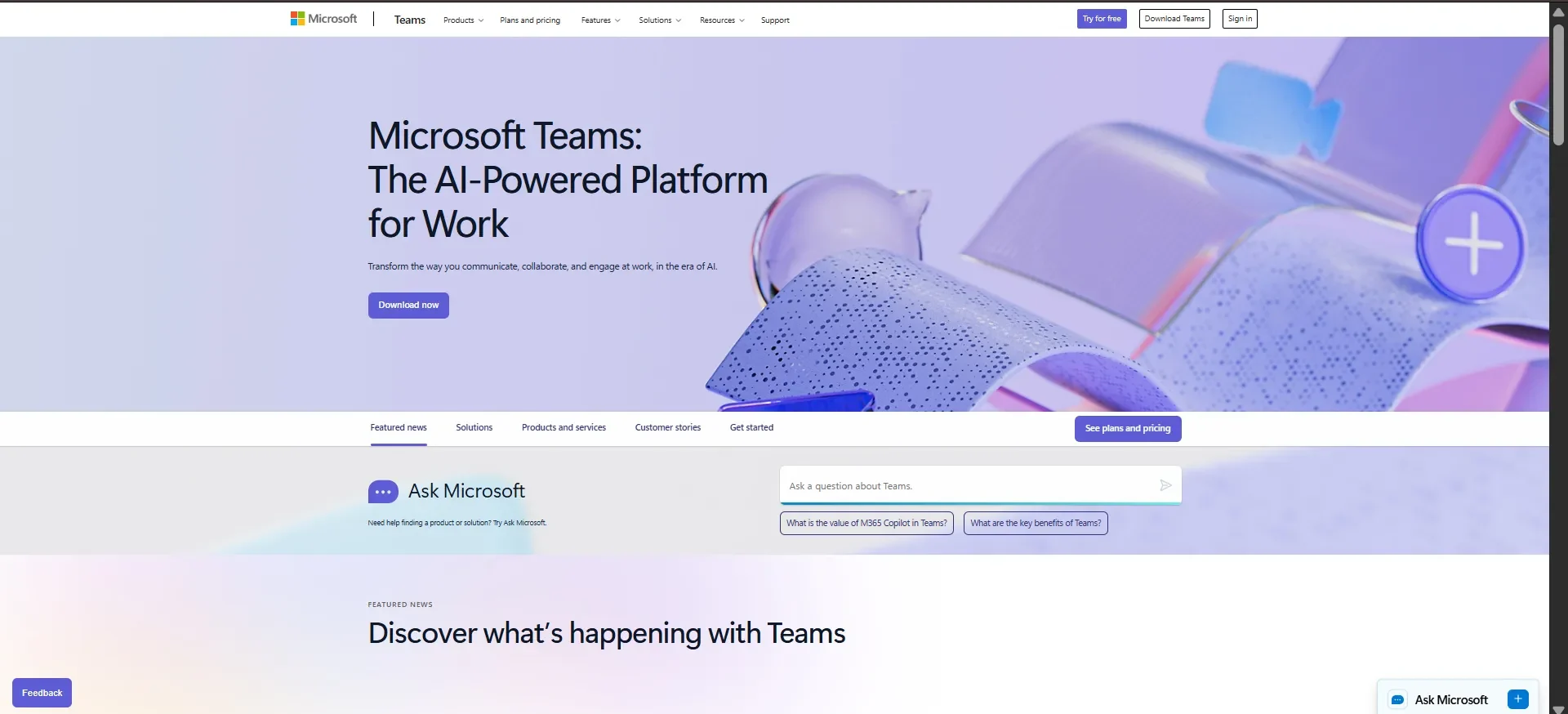
Microsoft Teams is a comprehensive collaboration platform that integrates chat, video meetings, file sharing, and application integration into a single workspace. It is one of the most powerful SaaS tools, especially for large enterprises that are already invested in the Microsoft 365 ecosystem. This deep integration allows for a seamless workflow between different applications.
The platform is particularly well-suited for remote work, providing a secure environment for teams to communicate and collaborate. Features like threaded conversations, team channels, and co-authoring of documents in real time boost productivity and keep everyone on the same page.
For organizations with strict security needs, Microsoft Teams offers robust compliance and data protection features. This makes it a trusted choice for compliance teams and industries that handle sensitive information, ensuring that communication and file sharing meet regulatory standards.
8. Shopify – E-Commerce Platform for Online Business Growth

Shopify is a leading e-commerce platform that empowers entrepreneurs and small businesses to build and manage their online stores with ease. It provides all the tools you need to sell online, from a customizable storefront and secure checkout to inventory management and marketing features. Its user-friendly interface makes it accessible even for those without technical skills.
As one of the most popular SaaS platforms for retail, Shopify offers deep insights into user behavior and sales performance. These analytics help you understand your customers better, optimize your store for conversions, and make data-driven decisions to grow your saas business.
With a vast app store, you can extend Shopify’s functionality to meet your specific needs, whether it’s for dropshipping, social media integration, or advanced analytics. This scalability allows your e-commerce operation to grow without needing to switch platforms.
Using the right tools can make affiliate marketing easier and more profitable. Discover the top tools every beginner should know in 2026.
https://zdigitallevel.com/the-17-top-affiliate-marketing-tools-for-2026/
9. Google Workspace – Productivity Suite for Modern Teams
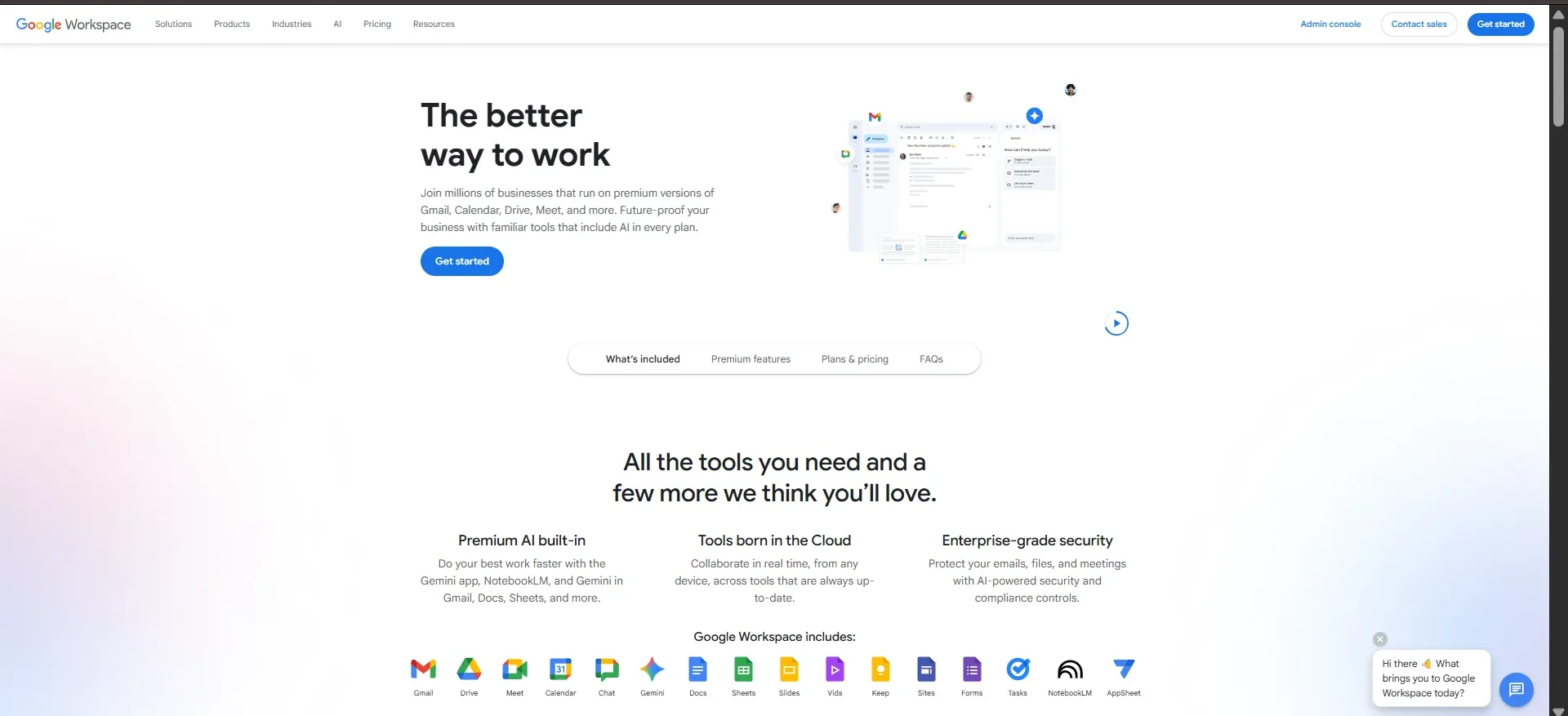
Google Workspace, formerly G Suite, is a suite of cloud-based productivity and collaboration tools that includes Gmail, Docs, Sheets, Slides, and Drive. It’s designed to help modern teams work together more efficiently, whether they are in the office or working remotely. The seamless integration between the apps streamlines workflow automation.
The ability for multiple people to edit documents, spreadsheets, and presentations in real time is a game-changer for collaboration. This eliminates the need for endless email chains with different file versions. Centralized file sharing through Google Drive ensures everyone has access to the latest information.
For remote teams, Google Workspace is indispensable. It provides a complete set of tools for communication, content creation, and file management, boosting team productivity and ensuring that work can get done from anywhere, at any time.
10. Tableau – Business Intelligence & Data Analytics
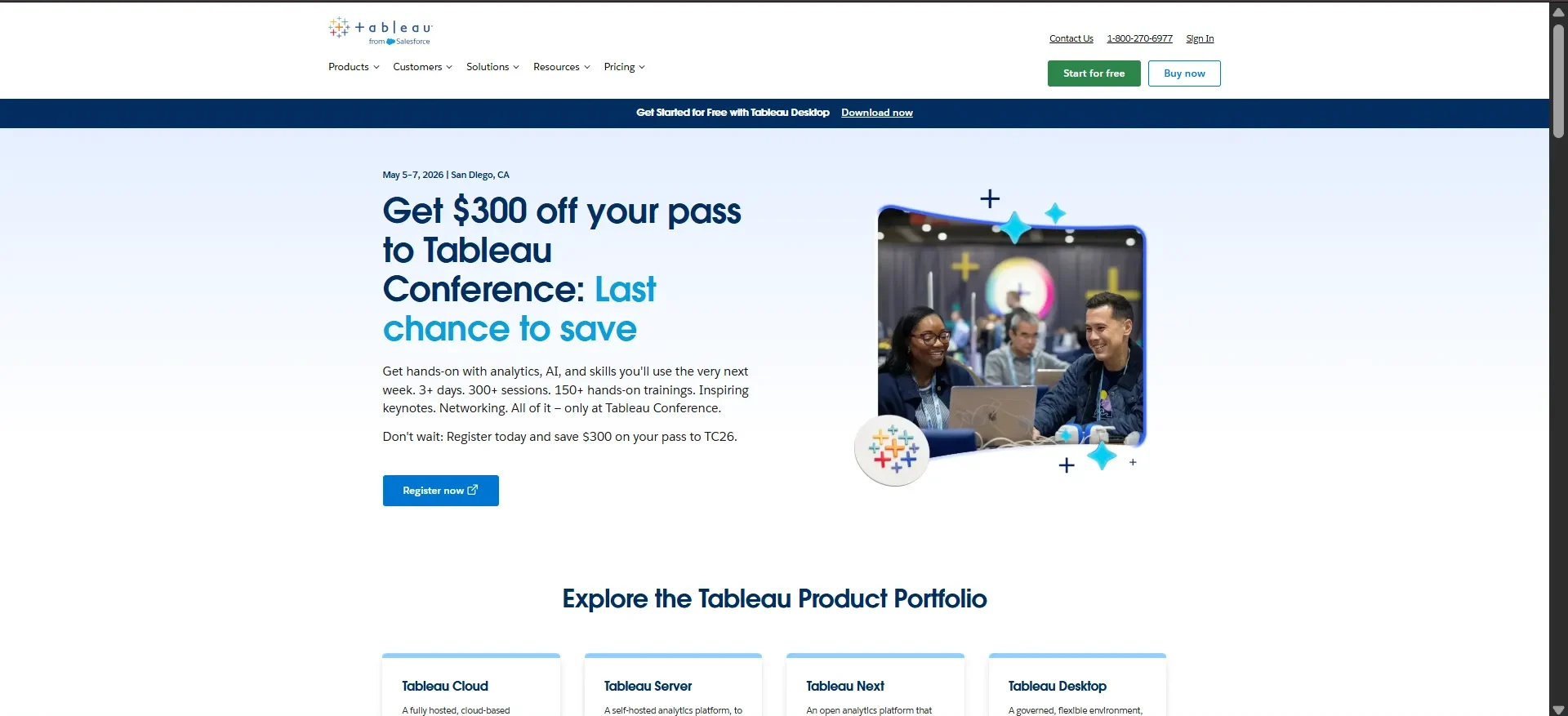
Tableau is a powerful business intelligence (BI) and data analytics platform that helps people see and understand data. It allows you to connect to various data sources, create interactive dashboards, and share insights across your organization. This makes complex data accessible and actionable for decision-makers at all levels.
With its drag-and-drop interface, Tableau makes data visualization easy, even for non-technical users. You can explore data, spot trends, and uncover insights without writing a single line of code. The platform also offers advanced features like predictive analytics to help you forecast future outcomes.
As one of the leading SaaS tools for analytics, Tableau empowers businesses to move beyond simple reporting and embrace a data-driven culture. By transforming raw data into beautiful and intuitive dashboards, it helps teams make smarter, faster decisions.
11. Mailchimp – Email Marketing Automation
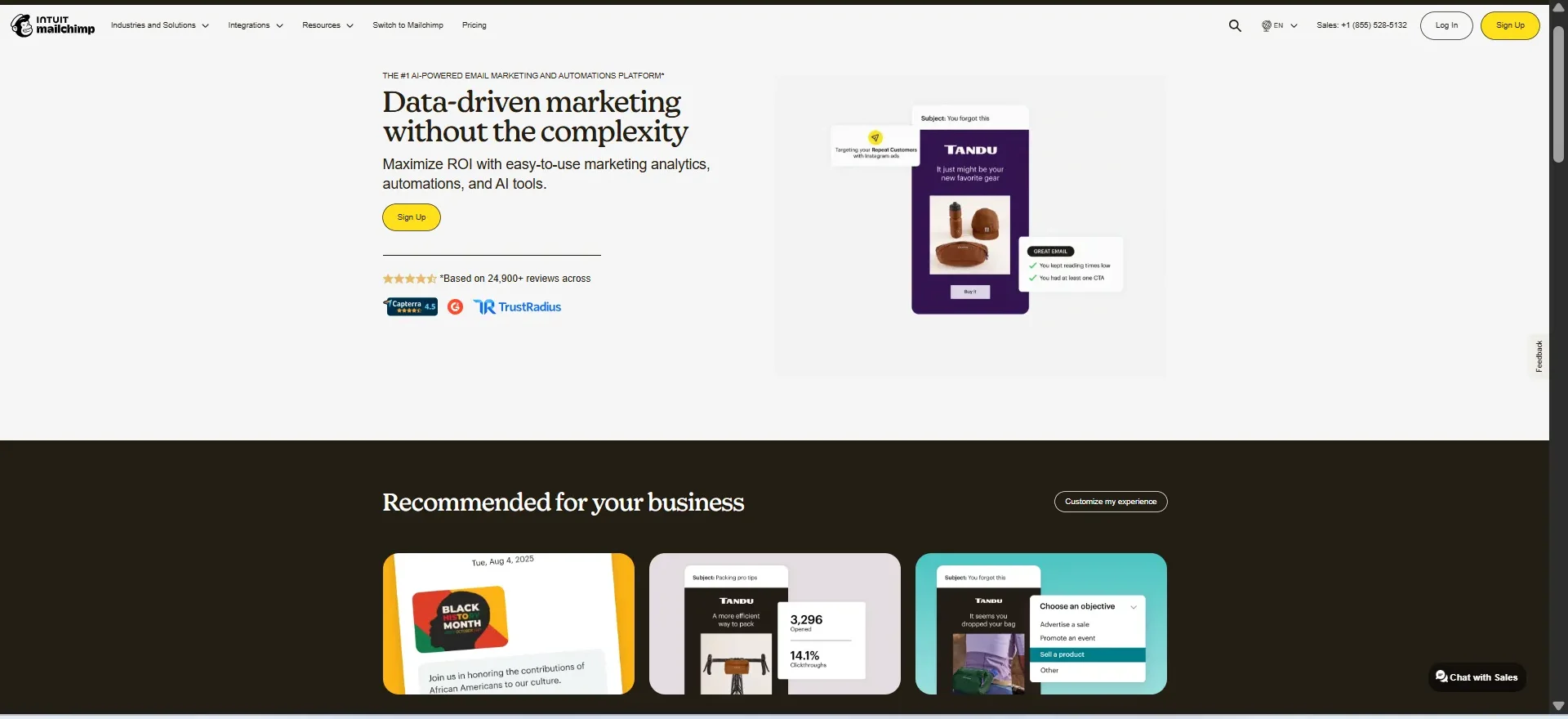
Mailchimp is one of the most popular email marketing platforms, known for its intuitive user experience and powerful automation features. It enables businesses to create, send, and analyze email campaigns that engage subscribers and drive sales. Its user-friendly editor makes designing professional-looking emails simple for everyone.
The platform offers robust features like A/B testing, audience segmentation, and detailed analytics, which are essential for optimizing your content marketing efforts. You can test different subject lines or content to see what resonates best with your audience and track performance metrics to measure your success.
Beyond just email, Mailchimp has evolved into an all-in-one marketing platform. It offers tools for building landing pages, creating social media ads, and setting up automated customer journeys, making it one of the most versatile SaaS platforms for small and growing businesses.
12. Zendesk – Customer Support & Help Desk SaaS
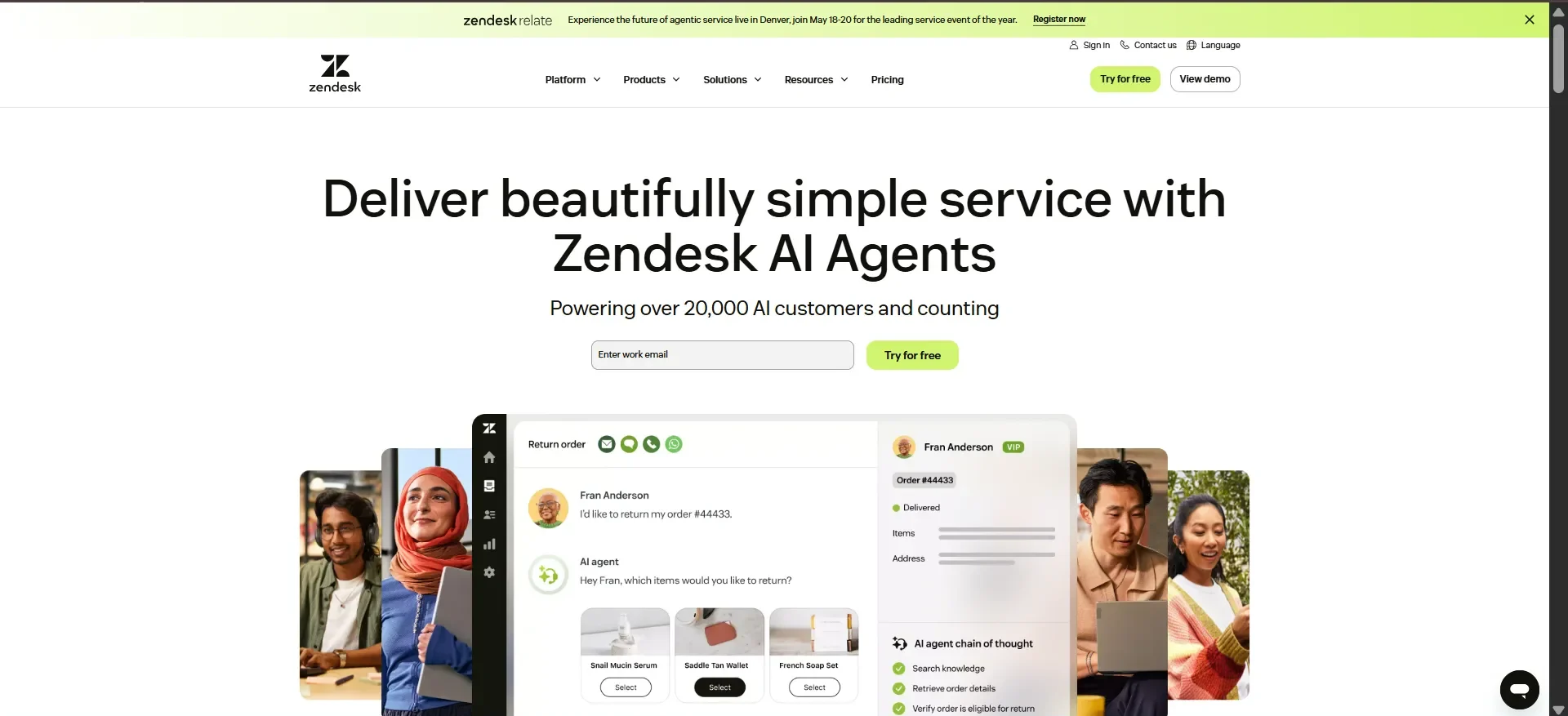
Zendesk is a leading customer service software that helps businesses manage their customer support interactions across multiple channels. It brings all your customer conversations—from email, chat, phone, and social media—into one unified platform. This allows your support team to provide faster and more personalized service.
The platform is designed to improve the user experience for both your agents and your customers. Agents get a complete view of the customer’s history, enabling them to resolve issues more effectively. Customers can get help through their preferred channel and access a self-service knowledge base to find answers on their own.
Many businesses feature a Zendesk case study on their website to showcase how they’ve improved customer satisfaction and efficiency. As one of the most effective SaaS tools for customer support, it helps you build stronger relationships and turn customer service into a competitive advantage.
13. QuickBooks Online – Accounting & Finance Management
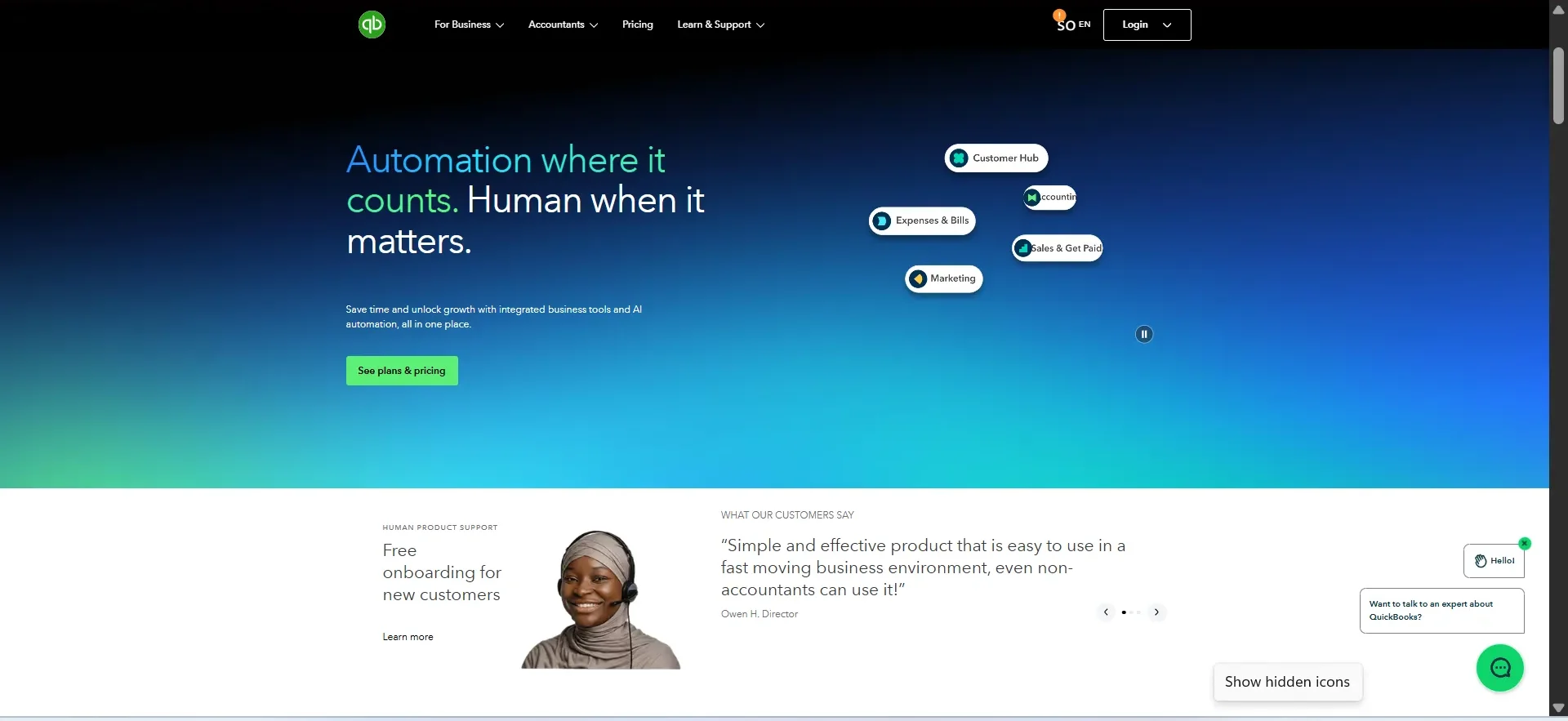
QuickBooks Online is a cloud-based accounting software designed to help small and medium-sized businesses manage their finances. It simplifies tasks like invoicing, tracking expenses, and running payroll, allowing finance teams to stay organized and efficient. The platform is one of the most widely used SaaS applications for financial management.
One of its key strengths is its ability to automate many aspects of accounting, reducing manual data entry and minimizing the risk of errors. You can connect your bank accounts to automatically import transactions, create recurring invoices, and generate detailed financial reports with just a few clicks.
QuickBooks Online also prioritizes data protection, using advanced security measures to keep your financial services information safe. This gives business owners peace of mind, knowing their sensitive financial data is secure while being accessible from anywhere.
14. Notion – Knowledge Management & Task Organization
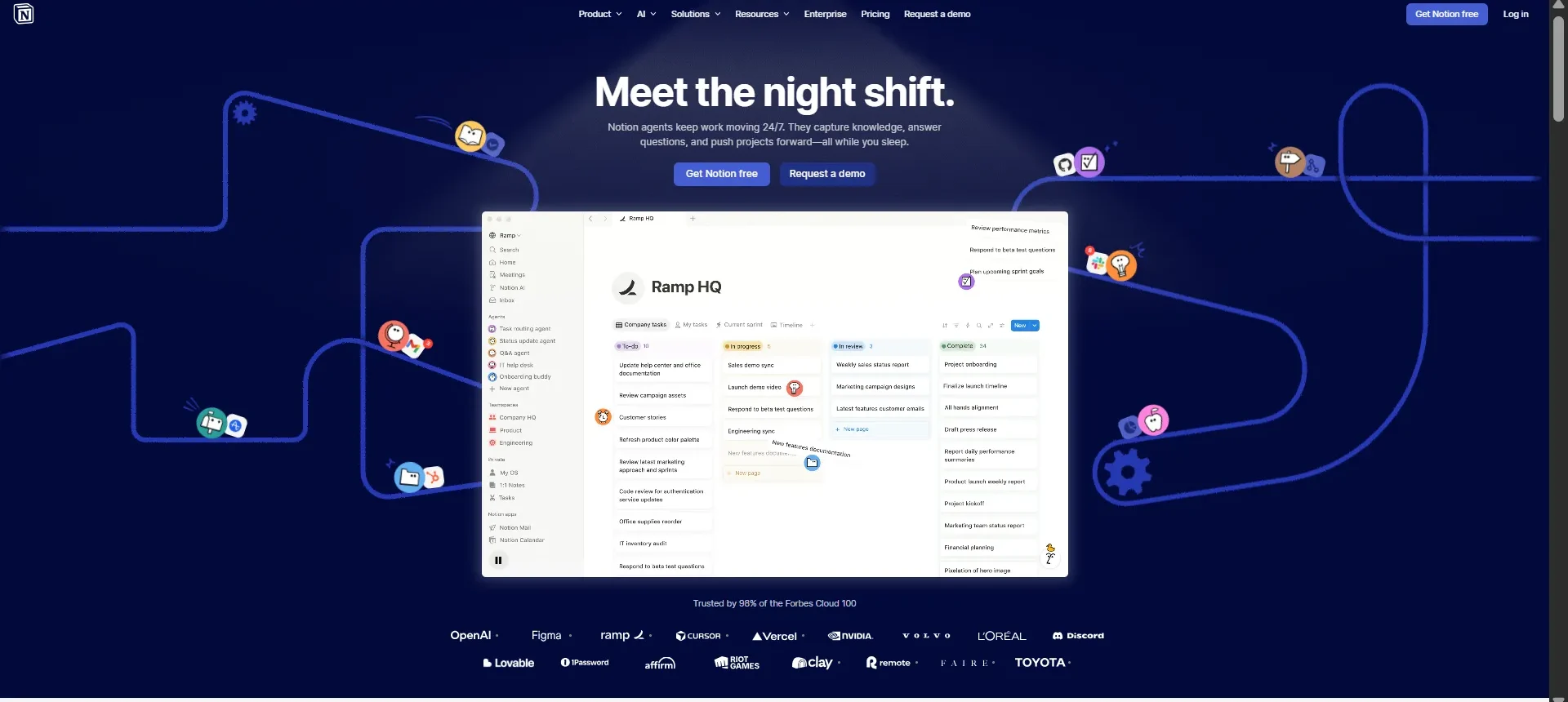
Notion is an all-in-one workspace that combines notes, tasks, wikis, and databases into a single, highly flexible platform. It serves as a powerful knowledge management system, allowing teams to create and organize information in a way that makes sense for their specific workflows. Its adaptability makes it suitable for any team size.
Unlike traditional project management tools, Notion allows you to build custom solutions for your team’s needs. You can create project roadmaps, content calendars, employee directories, and much more. This flexibility makes it an incredibly versatile SaaS product for a wide range of use cases.
The platform’s connected nature means you can link pages, databases, and tasks together, creating a web of information that’s easy to navigate. This helps break down information silos and ensures that everyone on the team has access to the knowledge they need to succeed.
15. GitHub – SaaS Platform for Code Collaboration & DevOps
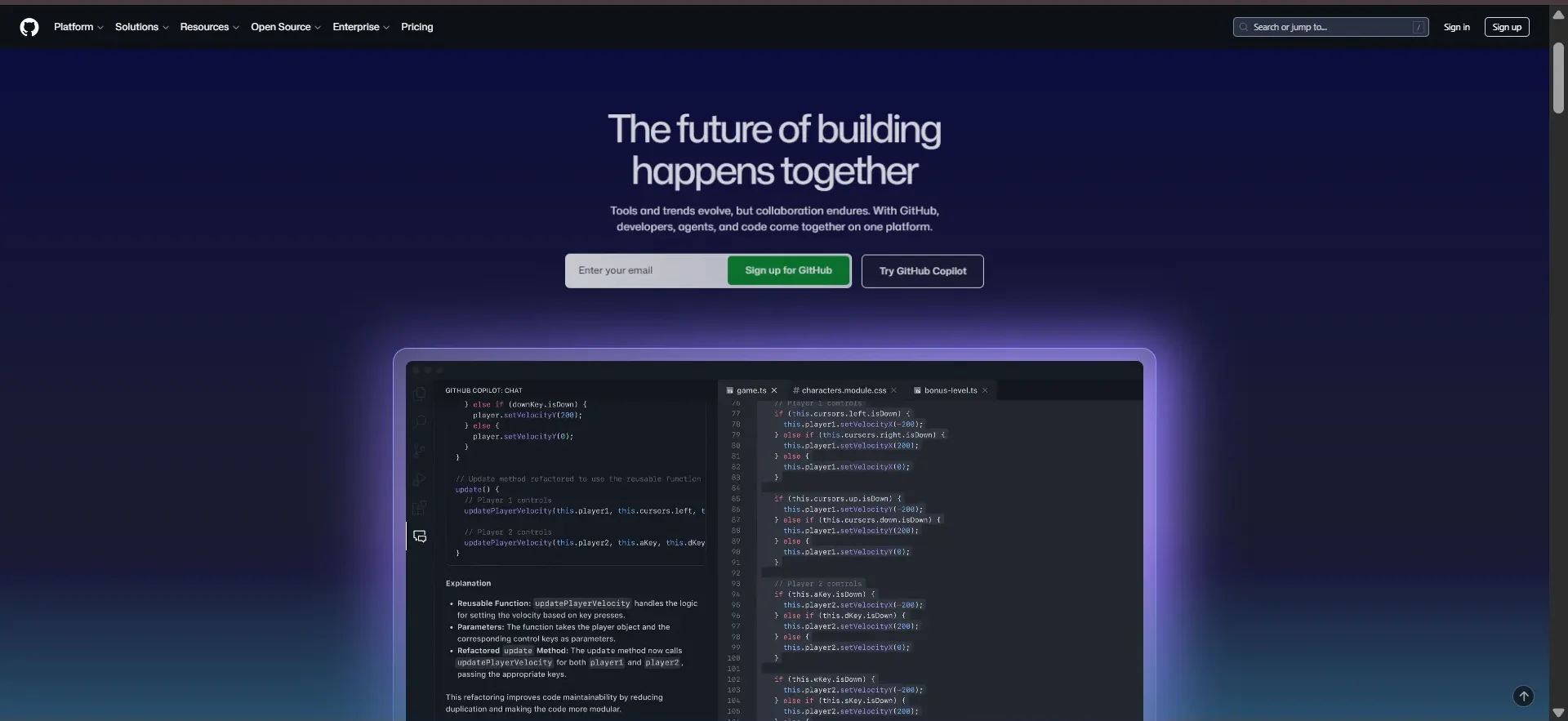
GitHub is an essential SaaS platform for software developers, providing hosting for software development and version control using Git. It is the largest community of developers in the world, making it the standard for code collaboration. It’s used by everyone from individual developers to large enterprises.
The platform streamlines the DevOps lifecycle with features for continuous integration and continuous deployment (CI/CD), project management, and code review. Workflow automation, through GitHub Actions, allows teams to build, test, and deploy their code directly from GitHub, accelerating the development process.
With its powerful collaboration features, developers can work together on projects from anywhere in the world. They can review code, track issues, and manage releases all in one place. This makes GitHub one of the most critical SaaS platforms for modern software development.
Building topical authority is key to ranking higher on Google and gaining trust in your niche. Learn how to do it step by step.
https://zdigitallevel.com/how-to-build-topical-authority-in-2026/
Essential SaaS Tools for Startups in 2026
For startups and small businesses, choosing the right SaaS tools is crucial for survival and growth. The modern SaaS landscape offers a wealth of solutions designed to help new companies operate efficiently, even with limited resources. These tools can automate key processes, improve productivity, and provide a professional edge without a hefty price tag.
From managing finances to collaborating on projects, the right software helps startups focus on what matters most: building a great product and acquiring customers. In the following sections, we’ll explore specific SaaS tools that are essential for streamlining operations, scaling affordably, and boosting productivity for any new business in 2026.
Streamlining Operations with SaaS Solutions
Startups often operate with lean teams where every member wears multiple hats. In this environment, streamlining operations is not just a goal; it’s a necessity. SaaS solutions offer powerful workflow automation that can take repetitive, time-consuming tasks off your team’s plate, allowing them to focus on high-impact activities.
Imagine automating your lead nurturing process, your social media posting schedule, or your customer onboarding sequence. This reduction in manual effort is a game-changer for productivity. Instead of getting bogged down in administrative work, your team members can dedicate their time to innovation, customer engagement, and strategic planning.
By implementing SaaS tools for workflow automation, startups can achieve a level of operational efficiency that was once only possible for large corporations. This allows them to compete more effectively, move faster, and lay a solid foundation for sustainable growth.
Affordable and Scalable Tools for New Businesses
One of the biggest advantages of SaaS for new businesses is affordability. Many platforms offer a free plan or low-cost SaaS subscriptions, allowing startups to access powerful tools without a significant upfront investment. This pay-as-you-go model means you only pay for what you use, making it easy to manage your budget.
As your business grows, these tools are designed to be scalable. You can easily add more users, upgrade your plan for more features, or increase your usage without disrupting your operations. This scalability ensures that the tools you choose today can support your business tomorrow, providing a seamless growth path.
Here are some key benefits for small businesses:
- Low Initial Cost: Many tools offer a free plan or affordable starting tiers, minimizing financial risk for startups.
- Predictable Expenses: SaaS subscriptions provide clear, recurring costs that are easy to budget for.
- Flexibility: You can scale your plan up or down based on your current needs, ensuring you’re not paying for unused capacity.
SaaS Tools to Enhance Startup Productivity
In a startup, productivity is everything. With small teams and ambitious goals, every hour counts. SaaS tools are designed to maximize output by streamlining workflows, improving collaboration, and providing a better user experience. These platforms centralize information and tasks, reducing the time spent searching for files or figuring out what to do next.
Workflow automation is a key driver of productivity. By automating routine tasks like data entry, email follow-ups, and report generation, you free up valuable time for your team to focus on strategic initiatives. This not only boosts efficiency but also improves employee morale by eliminating tedious work.
Choosing tools with an intuitive user experience is also critical. When software is easy to use, your team can get up and running quickly with minimal training. This leads to faster adoption and ensures that the tools are actually used to their full potential, maximizing your return on investment.
AI-Powered SaaS Tools Transforming Business in 2026
The integration of artificial intelligence is the next frontier for SaaS, and by 2026, AI-powered SaaS tools will be standard for businesses seeking a competitive edge. These tools use machine learning and predictive analytics to automate complex processes, enhance the customer experience, and provide deeper insights than ever before.
From intelligent chatbots that improve customer support to platforms that forecast sales trends with stunning accuracy, AI is transforming how businesses operate. The following sections will explore how artificial intelligence is being embedded into top SaaS products and how it’s enhancing automation and decision-making across various departments.
Artificial Intelligence Features in Top SaaS Products
Artificial intelligence is no longer a futuristic concept; it’s a practical feature being integrated into leading SaaS products. These advanced features are designed to make software smarter, more predictive, and more personalized. They leverage machine learning algorithms to analyze vast amounts of data and uncover patterns that would be impossible for a human to detect.
In a CRM, for example, AI might score leads based on their likelihood to convert, helping sales teams prioritize their efforts. In a marketing platform, AI can personalize content for individual users, dramatically improving engagement rates. This intelligent automation leads to a significantly better user experience and more effective outcomes.
The goal of these AI features is to augment human capabilities, not replace them. By handling data analysis and repetitive tasks, the SaaS product frees up employees to focus on creativity, strategy, and building relationships.
Enhancing Automation and Decision-Making
AI-powered SaaS tools are taking workflow automation to a whole new level. Beyond simple rule-based triggers, these platforms can make intelligent decisions based on complex data. For example, an AI system can analyze customer support tickets, categorize them by urgency and topic, and route them to the right agent automatically.
This enhanced automation significantly improves efficiency and accuracy. By letting the software handle routine decision-making, you reduce the risk of human error and ensure that processes are followed consistently. This frees up your team to tackle more complex problems that require human judgment and creativity.
The impact of AI on decision-making is profound. Here are a few ways it helps:
- Data Analytics: AI can process massive datasets in real time, providing actionable insights through intuitive dashboards.
- Predictive Forecasting: Machine learning models can predict future trends, from sales revenue to customer churn, helping you plan proactively.
- Optimized Recommendations: AI can recommend the next best action, whether it’s for a sales rep following up with a lead or a marketer choosing which campaign to run.
AI-Driven SaaS Tools for Marketing, Sales & Support
AI-powered SaaS tools are making a significant impact across marketing, sales, and customer support. In marketing, AI helps create highly personalized campaigns by analyzing customer data and predicting which messages will resonate most. This leads to higher conversion rates and a better return on investment.
For the sales team, AI tools can automate lead scoring, provide conversation intelligence from sales calls, and even generate personalized email drafts. This allows salespeople to spend less time on administrative tasks and more time building relationships and closing deals. Predictive analytics can also help them identify which accounts are most likely to buy.
In customer support, AI-powered chatbots can handle common inquiries 24/7, freeing up human agents to focus on more complex issues. AI can also analyze support conversations to identify trends and areas for improvement, helping you continuously enhance your customer service.
SaaS Tools for Fintech Companies in 2026
The fintech industry operates under a unique set of pressures, including strict compliance requirements and the constant need for robust data security. For these companies, SaaS platforms are not just a matter of efficiency but also a critical component of risk management. The right tools can help them innovate quickly while staying compliant.
In the coming sections, we’ll explore the essential SaaS tools for fintech companies in 2026. From secure payment processing and financial management to specialized compliance and data analytics software, these platforms are designed to meet the specific needs of the financial services sector.
Payment Processing and Financial Management Platforms
For fintech companies, secure and efficient payment processing is the backbone of their operations. SaaS tools like Stripe offer robust APIs that enable seamless handling of transactions, subscriptions, and payouts. These platforms are built to handle high volumes and provide the reliability that financial services demand.
Beyond just payments, comprehensive financial management platforms are crucial. SaaS tools designed for finance teams help with accounting, financial reporting, and compliance requirements. They automate many of the tedious tasks associated with financial management, such as reconciliation and tax preparation, reducing the risk of errors.
Choosing the right platform allows fintech companies to focus on their core product innovation instead of building and maintaining their own financial infrastructure. These tools provide the security, scalability, and compliance features necessary to operate effectively in the highly regulated fintech space.
Compliance and Security SaaS for Fintech
In the fintech industry, compliance and data security are non-negotiable. A single breach can lead to devastating financial and reputational damage. Specialized SaaS tools are designed to help fintech companies meet their regulatory compliance obligations and protect sensitive data from threats.
These platforms provide features like identity verification, anti-money laundering (AML) checks, and fraud detection. They use advanced algorithms to monitor transactions and flag suspicious activity in real time. This proactive approach to security is essential for maintaining trust with customers and regulators.
Here are some key features of compliance and security SaaS for fintech:
- Data Protection: End-to-end encryption and secure data storage to protect sensitive customer information.
- Regulatory Reporting: Automated generation of reports required by regulatory bodies, simplifying the compliance process.
- Access Controls: Granular control over who can access sensitive data, reducing the risk of internal threats.
Data Analytics SaaS for Financial Insights
Data is the lifeblood of the fintech industry, and data analytics SaaS applications are essential for turning that data into actionable financial insights. These platforms allow companies to analyze market trends, customer behavior, and risk factors with incredible speed and accuracy. This helps them make smarter decisions about product development, pricing, and investment strategies.
Tools like Tableau enable fintech companies to create interactive dashboards that visualize complex financial data. This makes it easy for teams to understand performance, identify opportunities, and spot potential risks. Predictive analytics capabilities can also be used to forecast market movements or predict credit defaults.
By leveraging these SaaS applications, fintech companies can gain a significant competitive advantage. They can move beyond simple historical reporting and use data to anticipate future trends, optimize their operations, and provide more value to their customers.
Marketing SaaS Tools for B2B Companies in 2026
B2B marketing is a different beast than B2C. The sales cycles are longer, the decision-making units are larger, and the need for personalized, value-driven communication is paramount. For B2B companies, SaaS marketing tools are essential for lead generation, campaign management, and building long-term relationships with clients.
The right software helps B2B marketers automate outreach, track engagement, and prove the value of their efforts. In the following sections, we’ll look at the specific types of SaaS tools that are critical for B2B success in 2026, including platforms for lead generation, campaign management, and personalization.
Lead Generation and Outreach Platforms
For B2B companies, a steady stream of qualified leads is essential for growth. Lead generation SaaS tools help automate the process of finding and engaging potential customers. Platforms like HubSpot or dedicated outreach tools allow you to build targeted lists, create personalized email sequences, and track engagement at scale.
These tools are crucial for outbound sales and SaaS marketing efforts. They enable your team to reach a larger audience with a consistent message while still allowing for personalization. By automating the initial outreach and follow-up, your sales team can focus their time on conversations with interested prospects.
Modern lead generation platforms also integrate with social media, particularly LinkedIn, allowing you to connect with decision-makers where they are most active. This multi-channel approach increases your chances of cutting through the noise and starting meaningful conversations with potential clients.
Campaign Management and Performance Tracking
Running successful B2B marketing campaigns requires careful planning, execution, and analysis. Campaign management SaaS tools provide a centralized platform to manage all your marketing activities, from content marketing and email blasts to social media and paid advertising.
One of the most important features of these tools is performance tracking. They allow you to monitor key metrics in real time, so you can see what’s working and what’s not. This data is crucial for demonstrating measurable ROI and making informed decisions about where to allocate your marketing budget.
Effective platforms offer features like:
- A/B Testing: Test different versions of your emails, landing pages, or ads to see which performs best.
- Attribution Reporting: Understand which channels and campaigns are driving the most leads and revenue.
- Real-time Dashboards: Get an at-a-glance view of your campaign performance and key marketing KPIs.
Personalization Tools for B2B Marketing
In B2B marketing, a one-size-fits-all approach rarely works. Personalization is key to capturing the attention of busy decision-makers. Personalization SaaS tools help you tailor your marketing messages based on a prospect’s industry, job title, company size, or past behavior.
These SaaS platforms use data to create dynamic content that changes for each user. For example, you could show different case studies on your website based on the visitor’s industry or send targeted email campaigns based on how a prospect has interacted with your content. A/B testing can help refine these personalized approaches.
By analyzing user behavior, these tools help you understand what your prospects are interested in, allowing you to deliver more relevant and valuable content. This level of personalization builds trust, shortens the sales cycle, and ultimately leads to higher conversion rates.
SaaS Management Platforms – Choosing the Right Solution
As businesses adopt more SaaS tools, managing them all becomes a significant challenge. SaaS management platforms have emerged to help companies control costs, manage SaaS subscriptions, and ensure security and compliance across their entire software stack. These tools provide a centralized view of all your applications, usage, and spending.
Choosing the right SaaS management solution depends on factors like your team size, budget, and specific needs for features like security and compliance. The following sections will compare top platforms and outline the key features to look for, helping you make an informed choice.
Comparing Top SaaS Management Platforms
When evaluating SaaS management platforms, it’s important to compare them based on key criteria such as features, pricing, and integration capabilities. Some platforms focus primarily on cost optimization by identifying unused licenses and duplicate subscriptions, while others offer more advanced features for security and compliance. Many offer free trials to test their capabilities.
Leading platforms provide a comprehensive dashboard that gives you a single source of truth for all your SaaS applications. They can automate employee onboarding and offboarding, ensuring that new hires get access to the tools they need and that departing employees’ access is revoked promptly. This is crucial for security and meeting compliance requirements.
Here is a comparison of some popular SaaS management platforms:
| Feature | BetterCloud | Zluri | Torii |
|---|---|---|---|
| Primary Focus | Security & Automation | Cost Optimization & Management | Discovery & Automation |
| On/Offboarding | Advanced Workflows | Automated | Automated |
| Discovery Method | Integrations | Multiple Sources | Browser Extension |
| Free Trial | Demo Only | Available | Available |
Features to Look For in SaaS Management Tools
When selecting a SaaS management tool, there are several advanced features you should look for to ensure you’re getting a comprehensive solution. First and foremost is application discovery. The tool should be able to automatically identify all the SaaS applications being used across your organization, including “shadow IT” that hasn’t been officially approved.
Another critical feature is usage tracking. The platform should provide insights into how frequently each application is being used and by whom. This data is essential for identifying underutilized licenses that can be eliminated to save costs. It also helps you understand which SaaS tools are providing the most value to your team.
Key features to consider include:
- Cost Optimization: Tools to identify redundant subscriptions, unused licenses, and opportunities for better pricing tiers.
- Security & Compliance: Features to enforce security policies, manage access controls, and ensure data privacy.
- Workflow Automation: Automated processes for employee onboarding, offboarding, and handling access requests. Some platforms may even offer a free plan to get you started.
Best Practices for SaaS Tool Selection
Following best practices for SaaS tool selection can save you from costly mistakes and performance issues down the line. The first step is to clearly define your business needs and objectives. What specific problem are you trying to solve? What are your must-have features? Involving key team members in this process ensures that the chosen tool will meet the needs of the people who will actually use it.
Prioritize tools with a positive user experience. If a tool is clunky or difficult to navigate, your team won’t use it, no matter how powerful its features are. Look for platforms that offer free trials or demos so you can test the usability before committing. Reading user reviews can also provide valuable insights into the day-to-day experience.
Finally, consider scalability and integration. The tool should be able to grow with your business and integrate seamlessly with your existing software stack. A lack of integration can create data silos and manual work, defeating the purpose of adopting a new tool in the first place.
Profitable SaaS Ideas & Trends for Entrepreneurs in 2026
The SaaS market continues to offer incredible opportunities for entrepreneurs who can identify and solve specific problems. As technology evolves, new SaaS trends are constantly emerging. One of the most significant trends is the rise of vertical SaaS—software designed for a specific industry, such as real estate or legal services.
For entrepreneurs looking to enter the market, focusing on a niche can be a highly profitable strategy. The following sections will explore some emerging SaaS ideas and categories worth exploring, as well as the growing opportunities in the micro-SaaS space for solopreneurs.
Emerging SaaS Categories Worth Exploring
While the general SaaS market is crowded, there are several emerging SaaS categories that offer significant potential for growth. One of the most promising areas is vertical SaaS. Instead of creating a horizontal tool for everyone, vertical SaaS focuses on solving the unique challenges of a specific industry. This allows for deeper features and a more targeted marketing message.
Another trend is the development of tools focused on sustainability and ESG (Environmental, Social, and Governance) reporting. As more companies prioritize these initiatives, the demand for software that can track and report on their impact is growing rapidly. These tools help businesses measure their carbon footprint, manage social responsibility programs, and ensure governance compliance.
Finally, tools that leverage AI for hyper-automation are gaining traction. These go beyond simple workflow automation to orchestrate complex business processes, often with little human intervention. For entrepreneurs, building a SaaS product in one of these emerging categories can lead to a strong competitive advantage and measurable ROI.
Micro SaaS Opportunities for Solopreneurs
You don’t need a huge team or millions in funding to build a successful SaaS business. The rise of micro-SaaS has created incredible opportunities for solopreneurs and small teams. A micro-SaaS is a small, niche product designed to solve a very specific problem for a targeted audience. Often, these are add-ons or extensions for existing platforms.
For example, a solopreneur could build a specialized analytics plugin for Shopify or a unique template manager for Notion. The key is to find a small but painful problem within a specific industry or community and build a simple, elegant solution for it. These SaaS applications are often easier to build and market than large, complex platforms.
Many micro-SaaS businesses can be operated by a single person and can be highly profitable. They often start with a free plan to attract users and then offer premium features for a subscription fee. For aspiring entrepreneurs, the micro-SaaS model offers a low-risk, high-reward path to entering the SaaS market.
Conclusion
In conclusion, the right SaaS tools can significantly enhance your business growth in 2026. From advanced project management solutions to powerful CRM systems, these tools are designed to streamline operations, improve productivity, and drive results. As the digital landscape continues to evolve, keeping an eye on emerging trends and technologies will be crucial for staying competitive. Whether you’re a startup or an established enterprise, investing in the most effective SaaS solutions tailored to your needs can make all the difference. To explore how these tools can specifically benefit your business, don’t hesitate to get a free consultation with our experts today!
Frequently Asked Questions
What factors should businesses consider when selecting SaaS tools in 2026?
When selecting SaaS tools, businesses should prioritize scalability, integration capabilities, and user experience. It’s also crucial to evaluate security features, compliance requirements, and the vendor’s customer support. Finally, ensure the tool provides measurable ROI and aligns with your long-term business goals before committing to a SaaS management strategy.
Which SaaS tools are most cost-effective for startups and small businesses?
For startups and small businesses, the most cost-effective SaaS tools are often those with a generous free plan or affordable, scalable SaaS subscriptions. Look for all-in-one platforms that combine multiple functions to reduce costs. Tools like Mailchimp, Asana, and Google Workspace offer excellent value for new companies.
Are there any new SaaS trends entrepreneurs should watch in 2026?
Entrepreneurs should watch for the continued growth of vertical SaaS, which targets niche industries. The integration of AI and machine learning is another major trend, leading to smarter, more predictive AI-powered SaaS tools. The SaaS market is also seeing a rise in micro-SaaS solutions that solve highly specific problems.
Canva’s AI tools are making design faster and easier than ever. See how these features can improve your content creation in 2026.
https://zdigitallevel.com/canva-ai-image-design-features-in-2026/